
When we think of wine, countries like France, Italy, and Spain often come to mind. However, in recent years, English wine has been making a name for itself in the global wine market. With its cool climate and unique terroir, England has become a prime location for producing high-quality wine. In this article, we will take a closer look at the impact of terroir on English wine and how soil, climate, and other environmental factors influence its taste and quality.
Terroir is a French term that refers to the environmental factors that influence the taste and quality of wine. These factors include the soil, climate, topography, and other environmental conditions that affect the growth and development of grapevines. The concept of terroir is important in wine production because it helps to define the unique characteristics of a wine and the region in which it is produced.
Soil plays a significant role in the growth and development of grapevines. In England, the soil is varied, with different regions having different soil types. For example, the chalky soils of the South Downs in Sussex are ideal for producing sparkling wine, while the limestone soils of Kent and Norfolk are better suited for still wines. The soil type affects the mineral content of the grapes, which in turn impacts the taste of the wine.

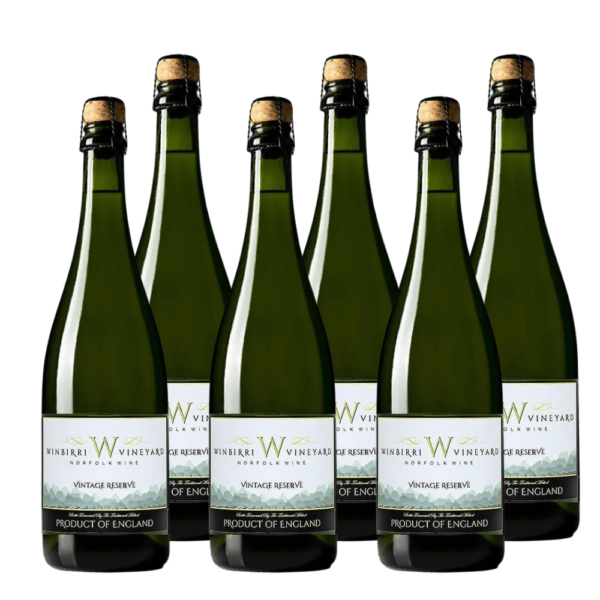
England’s cool climate is well-suited for producing sparkling wines and white wines. Long, cool growing season allows the grapes to ripen slowly, which results in a higher acidity and lower sugar content. This gives English wine its characteristic crisp and refreshing taste. In recent years, warmer summers have led to an increase in the production of red wines in England.
In addition to soil and climate, other environmental factors also play a role in the taste and quality of English wine. For example, the topography of the land can affect the drainage of the soil, which impacts the grapevine’s ability to absorb water and nutrients. The proximity to water bodies can also affect the microclimate of the vineyard, influencing the temperature and humidity levels. All of these factors can impact the flavour and quality of the wine.
English wine has come a long way in the last few decades, and the future looks bright for this growing industry. With its unique terroir and favourable climate, England is poised to become a major player in the global wine market. As the industry continues to grow, more research will be conducted to better understand the impact of terroir on English wine and how it can be used to produce even higher quality wines.
In conclusion, the impact of terroir on English wine cannot be overstated. Soil, climate, and other environmental factors all contribute to the unique taste and quality of English wine. As the industry continues to grow and evolve, we can expect to see even more exciting developments in this fascinating area of wine production.
One thing is for certain: English wine is no longer an underdog in the global wine market. With its unique terroir, favourable climate, and commitment to quality, English wine is now a serious contender in the world of wine production. So the next time you’re looking for a great bottle of wine, don’t overlook the wines of England – you may just be pleasantly surprised.
If you’re eager to dive deeper into the fascinating world of English wine, don’t miss our next article on the history of English wine. You won’t want to miss it!
A: Terroir refers to the environmental factors that influence the taste and quality of wine, including soil, climate, topography, and other conditions. It is important for wine production because it helps to define the unique characteristics of a wine and the region in which it is produced.
A: Soil type affects the mineral content of the grapes, which in turn can impact the taste of the wine. For example, the chalky soils of the South Downs in Sussex are ideal for producing sparkling wine, while the limestone soils of Kent and Norfolk are better suited for still wines.
A: England’s cool climate is well-suited for producing sparkling wines and white wines. Long, cool growing season allows the grapes to ripen slowly, which results in a higher acidity and lower sugar content. This gives English wine its characteristic crisp and refreshing taste.
A: Topography can affect the drainage of the soil, which impacts the grapevine’s ability to absorb water and nutrients. The proximity to water bodies can also affect the microclimate of the vineyard, influencing the temperature and humidity levels. All of these factors can impact the flavour and quality of the wine.
A: The future looks bright for the English wine industry. With more investment in research and technology helping to improve the quality and consistency of the wine. As the industry continues to evolve, we can expect to see more exciting developments in this fascinating area of wine.
