

English Bacchus wine, a delightful and aromatic dry wine, is quickly gaining popularity among wine enthusiasts who appreciate its unique qualities. Notably, the question “is Bacchus wine dry” highlights its distinctive characteristics that set it apart from other wine varieties. Bacchus is a white grape variety that is widely grown in Germany, particularly in the Rheinhessen and Pfalz regions. It is a cross between Silvaner, Riesling, and Müller-Thurgau grapes, and is known for its high acidity and intense aroma.
The purpose of this blog post is to provide a comprehensive answer to the common question: “Is Bacchus wine dry?”. We will explore the characteristics of Bacchus wine, the factors that affect its dryness level. The taste test results and reviews of this wine. Additionally, we will discuss the best food pairings for Bacchus wine. Provide recommendations for those interested in trying this unique and flavourful wine. Through this post, we hope to provide valuable information for wine lovers and enthusiasts. As well as those who are new to the world of wine and eager to expand their knowledge.
Before delving into the dryness level of Bacchus wine. It’s essential to understand what dryness means in the context of wine. Dryness in wine refers to the absence of residual sugar. Which is the natural sugar present in grapes that has not been converted into alcohol during the fermentation process. A wine is considered dry when all the sugar in the grapes has been converted into alcohol, resulting in a low sugar content in the final product.
Several factors influence the dryness level of wine, including the grape variety, climate, fermentation process, and winemaking techniques. For example, grapes grown in cooler climates tend to have higher acidity levels, resulting in a drier wine. Similarly, some grape varieties, such as Riesling, are naturally more acidic and produce dry wines. In contrast, other grape varieties, such as Muscat, tend to be sweeter and produce wines with a higher sugar content.
Several common terms are used to describe the dryness level of wine, including bone-dry, extra-dry, off-dry, and semi-dry. Bone-dry wine refers to a wine with no residual sugar, while extra-dry wine has a minimal amount of residual sugar. Off-dry wine has a slightly sweet taste due to the presence of residual sugar, while semi-dry wine has a moderate sweetness level. These terms are crucial in determining the dryness level of wine and can help wine enthusiasts choose the right wine for their preferences.

Bacchus wine has a rich history and is known for its distinctive taste and aroma. This white wine is primarily grown in Germany, particularly in the Rheinhessen and Pfalz regions. In the past it has made from a blend of different grape varieties, with Bacchus being the primary grape used in its production.
Bacchus is a hybrid grape variety that was created by German viticulturist Peter Morio in 1933. It is a cross between Silvaner, Riesling, and Müller-Thurgau grapes, and is known for its high acidity and intense aroma. Bacchus grapes are typically harvested in late September to early October. The wine is ready to drink within a year of production.
The grape varieties used in Bacchus wine can vary depending on the winemaker, but the wine must contain a minimum of 85% Bacchus grapes to be labelled as such. Other grape varieties that may be blended with Bacchus include Müller-Thurgau, Riesling, and Kerner.
Bacchus wine has a unique flavour profile and aroma, with notes of green apple, elderflower, and citrus. It is a light-bodied wine with a crisp acidity and a dry finish. Bacchus wine is often compared to Sauvignon Blanc and is known for its refreshing taste and versatility.
The winemaking process for Bacchus wine typically involves a cold fermentation process, which helps to preserve the grape’s natural aromas and flavours. After fermentation, the wine is aged in stainless steel tanks to retain its freshness and acidity. Some winemakers may choose to age Bacchus wine in oak barrels, which can impart additional flavours and aromas to the wine.
Overall, Bacchus wine is a unique and flavourful wine that is gaining popularity among wine enthusiasts worldwide. Its distinct taste and aroma make it a great choice for those who enjoy light-bodied and refreshing wines.
One of the most common questions among wine enthusiasts is whether Bacchus wine is dry or not. In general, Bacchus wine is considered a dry wine, with a low sugar content and high acidity level. However, the level of dryness can vary depending on several factors, including the grape variety, climate, and winemaking techniques.
Bacchus wine is typically made using a cold fermentation process, which helps to retain the grape’s natural acidity and aromas. This process results in a wine with a crisp and dry finish, making it a popular choice for those who prefer dry wines. However, the level of dryness in Bacchus wine can also be affected by the amount of residual sugar left in the wine after fermentation.
Factors such as the grape variety, climate, and harvest time can also influence the dryness level of Bacchus wine. For example, grapes grown in cooler climates tend to have higher acidity levels, resulting in a drier wine. Additionally, early-harvested grapes tend to produce a drier wine, while late-harvested grapes may result in a sweeter wine due to higher sugar content.
Taste tests and reviews of Bacchus wine have generally confirmed its dryness level, with reviewers noting its crisp acidity and refreshing taste. Wine critics have also praised Bacchus wine for its complexity and versatility, with some suggesting that it pairs well with seafood, poultry, and light salads.
Overall, while the dryness level of Bacchus wine may vary depending on several factors, it is generally considered a dry wine with a refreshing taste and crisp acidity. Its versatility and complexity make it a great choice for pairing with a wide range of foods, and its popularity is only expected to grow in the coming years.
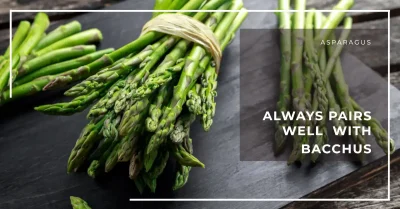
Pairing wine with food is an art form that requires an understanding of the wine’s flavour and the dishes’ ingredients. When it comes to Bacchus wine, it is known for its crisp acidity and refreshing taste. Making it a great choice for pairing with a variety of foods.
Bacchus wine is particularly well-suited for pairing with seafood dishes, such as oysters, crab, and grilled fish. The wine’s acidity helps to cut through the richness of these dishes, while its subtle floral and fruity notes complement the delicate flavours of seafood.
Bacchus wine also pairs well with light salads, such as green salads or fruit salads. The wine’s crisp acidity helps to balance out the sweetness of the fruit while enhancing the freshness of the greens.
When pairing Bacchus wine with food, it is important to consider the intensity of the flavours in the dish. As a general rule, lighter dishes pair well with lighter wines, while heavier, more robust dishes require more full-bodied wines.
Some dos and don’ts to keep in mind when pairing Bacchus wine with food include avoiding spicy dishes, as the heat can overpower the wine’s delicate flavours. Additionally, it is important to avoid pairing Bacchus wine with overly rich or heavy dishes. Due to the wine’s acidity may not be able to balance out the richness of the food.
Overall, Bacchus wine is a versatile wine that pairs well with a variety of foods, particularly seafood and light salads. By keeping the intensity of the flavours in mind and avoiding overly spicy or rich dishes. Wine enthusiasts can create delicious and complementary pairings that showcase the unique flavours of Bacchus wine.
Bacchus and How to Store It -. Uncover the optimal conditions for storing Bacchus wine and learn tips and tricks for preserving its unique characteristics over time.
Bacchus Food Pairing -. Discover the secrets of pairing Bacchus wine with different types of cuisine to create harmonious and memorable dining experiences.
In conclusion, Bacchus wine is a popular white wine known for its crisp acidity and refreshing taste. Its delicate floral and fruity notes make it a great choice for pairing with a variety of foods, particularly seafood and light salads.
When it comes to dryness level, Bacchus wine can range from dry to off-dry. Depending on various factors such as the winemaker’s style and the grape’s ripeness level at harvest. It is important to consider the wine’s dryness level when pairing it with food, as it can affect the overall balance and taste of the dish.
Bacchus wine is a versatile and enjoyable wine that wine enthusiasts should try. With its unique flavour profile and varying dryness levels make it an exciting wine to explore and experiment with, particularly when pairing it with food.
If you are looking for a refreshing and versatile white wine to try, Bacchus wine is definitely worth considering. With its delicate flavours and varying dryness levels, it offers a unique and enjoyable wine experience that is sure to delight your taste buds.
